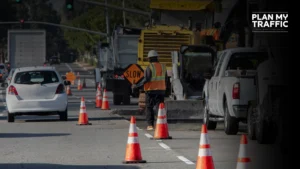
Managing traffic flow during construction, events, or infrastructure projects in British Columbia requires more than temporary signage and flaggers. Provincial and municipal authorities enforce strict standards to protect workers, motorists, and pedestrians. A professionally prepared
Traffic Management Plan British Columbia submission serves as your formal commitment to safety and regulatory compliance.
This comprehensive guide examines exactly what Ministry of Transportation and Transit (MoTT),
WorkSafeBC, and local municipalities evaluate before granting approval. Understanding these Traffic Management Plan British Columbia requirements accelerates your permitting timeline and prevents costly project delays.
Understanding the Regulatory Framework in British Columbia
British Columbia operates under a multi-layered regulatory environment for traffic management. Your Traffic Management Plan British Columbia documentation must satisfy several oversight bodies simultaneously.
Ministry of Transportation and Transit (MoTT)
MoTT governs all provincial highways and major roadways. Their Traffic Management Manual for Work on Roadways (TMM) establishes the technical foundation for plan development. Key MoTT expectations include:
-
Design consistency with current TMM standards
-
Qualified supervision by certified traffic control persons
-
Emergency vehicle accommodation protocols
-
Public transit impact mitigation strategies
WorkSafeBC Occupational Health and Safety Regulations
WorkSafeBC mandates worker protection through Regulation 296/97, Part 18 (Traffic Control). Your plan must demonstrate:
-
Hazard identification specific to work zone environments
-
Control measures hierarchy (elimination, substitution, engineering, administrative, PPE)
-
Worker training verification and certification records
-
Incident reporting and emergency response procedures
Municipal Jurisdictions
Local governments maintain additional requirements for roads under their authority. Vancouver, Surrey, Burnaby, and other municipalities often impose:
-
Local traffic impact assessments
-
Community notification protocols
-
Noise and hours-of-operation restrictions
-
Specific detour route approvals
Core Components Authorities Evaluate in Your Submission
A complete Traffic Management Plan British Columbia package contains multiple integrated sections. Authorities reject incomplete submissions, making thorough preparation essential.
1. Project Scope and Duration Analysis
Begin with precise project boundaries. Define:
-
Physical limits of work zones with GPS coordinates where possible
-
Timeline phases distinguishing preparation, active work, and restoration periods
-
Traffic volume baseline data showing pre-construction conditions
-
Seasonal considerations affecting visibility and road conditions
Authorities assess whether your timeline accounts for weather-related delays and peak traffic periods. Summer tourist seasons in coastal regions or winter conditions in northern areas significantly impact approval conditions.
2. Traffic Impact Assessment
Quantify how your project affects existing traffic patterns. Professional plans include:
-
Capacity analysis comparing pre-project roadway capacity against work zone reductions
-
Delay calculations estimating queue lengths and wait times
-
Level of Service (LOS) degradation predictions
-
Diversion route capacity verification
Advanced modeling software like Synchro or VISSIM strengthens credibility. Authorities particularly scrutinize impact on emergency services, school zones, and commercial corridors.
3. Temporary Traffic Control Design
This technical section demonstrates engineering competence. Required elements encompass:
Channelization Devices
-
Concrete barriers versus water-filled barricades selection rationale
-
Taper lengths calculated per design speed
-
Buffer space dimensions protecting workers from errant vehicles
Signage and Markings
-
Regulatory, warning, and guide sign placement per TMM standards
-
Retroreflectivity requirements for nighttime visibility
-
Pavement marking temporary layouts and removal protocols
Signalization Modifications
-
Temporary traffic signal timing plans
-
Pedestrian crossing accommodation
-
Transit priority signal adjustments
4. Pedestrian and Cyclist Accommodation
British Columbia emphasizes active transportation safety. Your Traffic Management Plan British Columbia must address:
-
ADA-compliant temporary pedestrian facilities
-
Cycling route maintenance or signed detours
-
Transit stop relocation or temporary platform construction
-
School zone special protections during arrival/dismissal times
5. Emergency Response Integration
Authorities require explicit coordination with first responders:
-
Emergency vehicle preemption route identification
-
Hospital access maintenance protocols
-
Fire hall response time impact mitigation
-
Incident management procedures for crashes within work zones
Direct consultation with local police, fire, and ambulance services before submission demonstrates proactive planning and often accelerates approval.
Professional Qualifications and Documentation Standards
British Columbia authorities increasingly emphasize plan preparer credentials. Your submission should highlight:
Traffic Control Person Certification
All flaggers and traffic control supervisors require valid WorkSafeBC-approved certification. Include:
-
Certification numbers and expiry dates
-
Training provider verification
-
Specialized qualifications (lane closure supervision, pilot vehicle operation)
Professional Engineer Review
Complex projects require Professional Engineer (P.Eng.) stamp and signature on:
-
Structural designs for temporary bridges or retaining walls
-
Geotechnical assessments for excavation stability
-
Temporary traffic signal designs
Insurance and Bonding Documentation
Authorities verify financial responsibility through:
-
Commercial general liability coverage
-
Automobile liability for work vehicles
-
Performance bonds for restoration guarantees
The Approval Process: Timeline and Stakeholder Coordination
Understanding procedural expectations helps manage project schedules realistically.
Pre-Application Consultation
Schedule informal meetings with relevant authorities before formal submission. This preliminary engagement identifies:
-
Site-specific concerns not apparent from standard drawings
-
Coordination requirements with concurrent projects
-
Seasonal restrictions affecting approval timing
Formal Review Periods
Standard review timelines vary by jurisdiction:
| Authority Type |
Typical Review Period |
Rush Processing Available |
| MoTT District Offices |
10-15 business days |
Yes, with premium fees |
| Major Municipalities |
15-30 business days |
Limited, case-by-case |
| Smaller Municipalities |
5-10 business days |
Rarely |
Public and Inter-Agency Consultation
Significant projects trigger additional review requirements:
-
Neighbourhood notification for residential impacts
-
Business association coordination for commercial district work
-
Utility company clearance for underground infrastructure
-
Environmental assessment harmonization for sensitive areas
Common Rejection Reasons and Prevention Strategies
Approximately 30% of initial Traffic Management Plan British Columbia submissions require substantial revision. Avoid these frequent deficiencies:
Inadequate Detail in Drawings
Authorities reject schematic sketches lacking:
-
Scale references and north arrows
-
Existing feature documentation (curb lines, utilities, landscaping)
-
Quantified dimensions for all temporary installations
-
Legend clarity distinguishing temporary versus permanent elements
Insufficient Emergency Planning
Generic emergency references without site-specific protocols raise red flags. Customize your plan with:
-
Nearest hospital and trauma center identification
-
Specific emergency contact trees with 24-hour numbers
-
Evacuation route mapping for worker safety
Overlooked Accessibility Requirements
Temporary pedestrian routes must maintain:
-
Maximum 5% running slope (8% for ramps under 6 meters)
-
Minimum 1.5-meter width for wheelchair passage
-
Tactile surface indicators at crossing points
-
Audible signal information where visual cues are obstructed
Missing Seasonal Contingencies
British Columbia’s diverse climate demands adaptive planning. Address:
-
Snow removal and ice control within work zones
-
Reduced visibility protocols for fog-prone areas
-
High water table impacts on northern or coastal projects
Already facing delays or plan rejection?
Don’t lose another 5–10 days in revisions. Get your Traffic Management Plan reviewed and fixed by experts before resubmission.