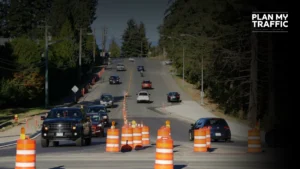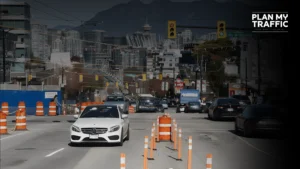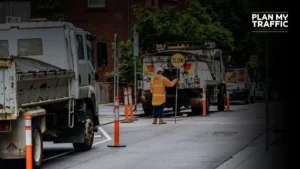
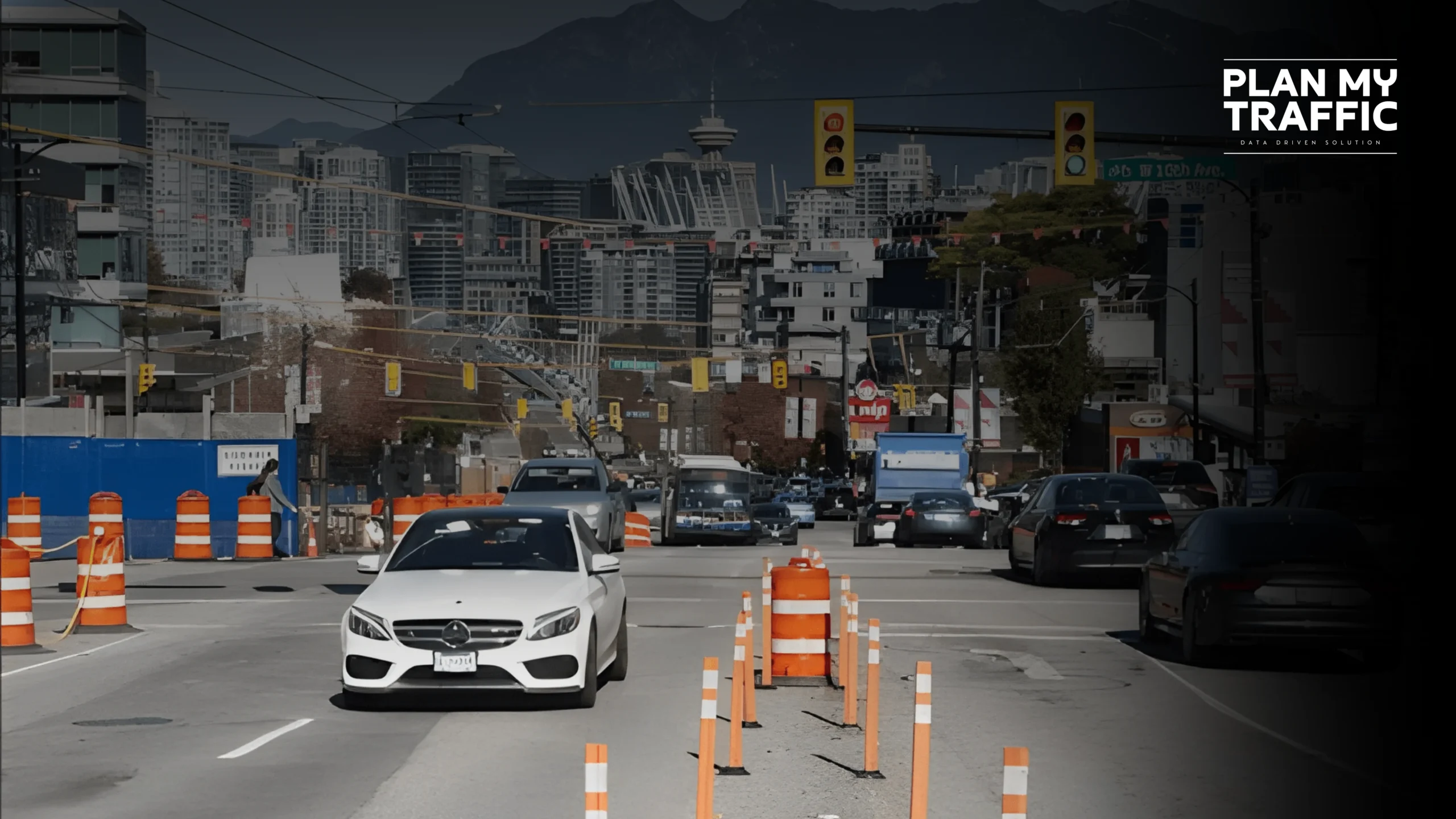
Navigating urban construction and event planning in Vancouver requires understanding municipal regulations. A Street Use Permit serves as official authorization to occupy public road space for activities ranging from construction work to community festivals. Whether you’re a contractor installing utilities, or an event organizer planning a street fair, knowing when this permit is required and what it covers prevents costly fines and project delays.
This comprehensive guide explains Vancouver’s Street Use Permit requirements, application procedures, associated costs, and compliance obligations for 2026.
What Is a Street Use Permit Vancouver?
A Street Use Permit is a legal document issued by the City of Vancouver’s Street Activities Branch that grants temporary access to public street space normally reserved for vehicular traffic and pedestrian movement. This permit establishes the framework for safe, organized use of municipal infrastructure while maintaining essential transportation functions.
The permit system balances private and public interests, allowing necessary work and events to proceed while protecting commuter access, emergency vehicle routes, and neighborhood quality of life. Vancouver’s dense urban environment makes this regulatory oversight particularly critical, with limited street space competing among multiple demands.
When Do You Need a Street Use Permit Vancouver?
Understanding trigger scenarios helps determine your regulatory obligations. The City of Vancouver requires a Street Use Permit for numerous activities affecting public roadways.
Construction and Infrastructure Work
Any project encroaching on municipal streets requires authorization:
-
Excavation work for utility installation, repair, or replacement
-
Building construction requiring crane operation over roadways
-
Sidewalk repairs or replacement affecting pedestrian flow
-
Street tree work involving equipment staging or debris accumulation
-
Demolition activities with potential debris or equipment overflow
Even minor utility connections typically require Street Use Permit coverage, with exemptions rare and strictly defined.
Special Events and Gatherings
Public gatherings utilizing street space need formal approval:
-
Street festivals and cultural celebrations
-
Farmers markets and temporary commercial activities
-
Parades and processions of any scale
-
Street races and athletic events
-
Filming activities with equipment or crew on roadways
Private events affecting public access, such as extended driveway work or large deliveries, may also trigger Street Use Permit requirements.
Temporary Commercial Uses
Business operations extending into public space require authorization:
-
Outdoor patio expansions beyond property lines
-
Loading and unloading operations exceeding standard time limits
-
Temporary storage of materials or containers on streets
-
Mobile vending operations in fixed locations
Vancouver’s commercial districts have specific designations affecting Street Use Permit availability and conditions.
Emergency and Unplanned Work
Unexpected infrastructure failures require immediate response followed by permit application:
-
Water main breaks requiring excavation
-
Gas leaks necessitating street closure
-
Power failures requiring emergency repair access
-
Structural emergencies affecting public safety
While emergency work proceeds without pre-authorization, Street Use Permit application must follow within 24 hours.
What Your Street Use Permit Vancouver Includes
Permit documentation specifies operational parameters through multiple integrated components. Understanding these elements ensures compliant project execution.
Spatial Boundaries and Duration
Your Street Use Permit defines exact physical limits:
-
Linear footage of street or sidewalk affected
-
Lateral dimensions specifying distance from curb or property line
-
Vertical restrictions for overhead work or equipment
-
Time parameters including setup, active use, and restoration periods
Vancouver typically issues permits for maximum 30-day periods, with extensions requiring separate application. Long-term projects need phased permit renewal.
Traffic Management Requirements
Permits incorporate specific mobility protection measures:
-
Vehicle lane closure configurations and detour routes
-
Pedestrian accommodation including alternate walkway provision
-
Cycling route maintenance or signed detours
-
Transit stop relocation or temporary platform construction
-
Parking restriction implementation and notification protocols
Complex projects require approved Traffic Management Plan British Columbia integration with your Street Use Permit.
Safety and Protection Standards
Occupational and public safety conditions include:
-
Barrier and delineation specifications (concrete barriers, cones, fencing)
-
Lighting requirements for nighttime work or events
-
Signage meeting municipal and provincial standards
-
Noise control measures respecting time-of-day restrictions
-
Dust and debris management protocols
WorkSafeBC regulations apply simultaneously, requiring dual compliance framework navigation.
Restoration and Bonding Obligations
Permits establish post-project requirements:
-
Surface restoration standards for excavation work
-
Cleaning and debris removal completion timeframes
-
Performance bond or letter of credit requirements (typically $5,000-$50,000 depending on project scope)
-
Inspection and acceptance procedures before bond release
Failure to meet restoration standards results in municipal completion at permit holder expense.
A single mistake can delay your permit by days make sure your Street Use Permit is right the first time.
Street Use Permit Vancouver Application Process
Securing authorization requires systematic preparation and submission. Understanding procedural steps prevents processing delays.
Pre-Application Consultation
Contact Vancouver’s Street Activities Branch before formal submission:
-
Project scope verification confirming permit necessity
-
Conflict identification with scheduled municipal work or other permits
-
Special condition awareness for sensitive locations
-
Documentation requirement clarification
This informal engagement typically saves 5-10 business days in overall processing time.
Documentation Preparation
Complete applications require comprehensive supporting materials:
-
Site plan showing proposed street occupation dimensions
-
Traffic management plan for projects affecting vehicle or pedestrian flow
-
Proof of insurance ($5 million commercial general liability minimum)
-
Restoration bond or letter of credit where required
-
Neighbourhood notification documentation for residential impacts
-
Emergency contact information for 24-hour availability
Professional engineering stamps may be required for structural or complex traffic modifications.
Submission and Review
Submit applications through Vancouver’s online permitting portal:
-
Standard processing: 10-15 business days
-
Complex projects: 20-30 business days
-
Expedited review: Available with 50% fee premium for urgent work
Review includes technical evaluation, inter-departmental coordination (engineering, fire, police), and public notification assessment where required.
Permit Issuance and Conditions
Approved permits contain specific operational conditions:
-
Valid dates and authorized hours of operation
-
Specific location boundaries with GPS coordinates
-
Mandatory condition checklist acknowledgment
-
Inspection scheduling requirements
-
Violation consequence outline
Digital permit display is required on-site throughout authorized activity.
Street Use Permit Vancouver Fees and Costs
Municipal cost recovery structures apply to street occupation. Budgeting accurate permit costs prevents project financial surprises.
Base Permit Fees
2026 fee structure includes:
| Permit Type | Base Fee | Additional Charges |
|---|---|---|
| Simple utility connection | $150 | Inspection fees: $75/hour |
| Construction occupation | $300-$800 | Bond processing: $150 |
| Special event (small) | $200 | Traffic control: variable |
| Special event (large) | $500-$1,500 | Cleanup deposit: $500-$2,000 |
| Film production | $250/day | Security requirements: variable |
| Emergency repair | $100 | Post-perit application surcharge: $200 |
Additional Cost Factors
Total project cost extends beyond base fees:
-
Traffic control personnel certification and deployment
-
Barrier and signage rental or purchase
-
Restoration materials matching existing street surfaces
-
Professional consulting for plan preparation
-
Legal compliance review for complex projects
Avoid permit delays and costly mistakes get your Street Use Permit handled correctly before submission.
Compliance and Enforcement
Permit authorization creates ongoing regulatory obligations. Understanding enforcement mechanisms ensures sustained compliance.
Inspection Protocols
Municipal inspectors conduct:
-
Pre-work site reviews verifying setup compliance
-
Random inspections during authorized activity
-
Complaint-driven investigations responding to public reports
-
Post-work acceptance inspection for restoration quality
Failed inspections trigger work stoppage orders and permit suspension.
Violation Consequences
Non-compliance carries significant penalties:
-
Fines: $500-$10,000 per violation depending on severity
-
Work stoppage: Immediate cease-work orders for safety violations
-
Permit revocation: Cancellation with future application prejudice
-
Bond forfeiture: Municipal use of security deposits for corrective work
-
Legal liability: Personal or corporate responsibility for accidents or damages
Criminal charges may apply for serious safety violations causing injury.
Record Keeping Requirements
Permit holders must maintain:
-
Daily activity logs documenting work progress and conditions
-
Incident reports for any accidents or near-misses
-
Inspector interaction documentation
-
Condition modification records with authorization evidence
Retention periods typically extend three years post-project completion.
Need expert guidance navigating Street Use Permit Vancouver requirements? Connect with our municipal compliance specialists for application support and on-site representation.
Special Considerations and Exceptions
Vancouver’s permit system includes specialized provisions for particular circumstances.
Designated Districts
Special policy zones affect Street Use Permit availability:
-
Downtown core: Restricted hours and enhanced notification requirements
-
Residential character areas: Limited construction hours and noise restrictions
-
Industrial zones: Extended operational hours with reduced restrictions
-
Parks and school zones: Enhanced safety protocols during operational periods
Coordinated Projects
Multiple simultaneous permits require:
-
Joint application processing for related work
-
Phased implementation sequencing to minimize cumulative impact
-
Shared traffic management resource coordination
-
Unified public communication preventing notification fatigue
Seasonal and Weather Factors
Vancouver’s climate affects permit conditions:
-
Rainy season: Enhanced erosion and runoff control requirements
-
Winter conditions: Snow removal accommodation and ice prevention
-
Summer festivals: Restricted availability during peak event season
-
Tourist periods: Enhanced mobility protection in visitor corridors
Conclusion
Understanding Street Use Permit requirements enables efficient project planning and regulatory compliance in Vancouver. From construction work to community celebrations, proper authorization protects public safety, maintains urban mobility, and prevents costly legal complications.
Successful permit navigation requires early engagement with municipal authorities, thorough documentation preparation, and sustained compliance throughout authorized activity. As Vancouver continues densifying and street space competition intensifies, professional Street Use Permit management becomes increasingly valuable for project success.
Begin your Street Use Permit application process well in advance of planned work, engage qualified consultants for complex projects, and maintain open communication with Street Activities Branch inspectors throughout your authorized street use period.
Avoid delays, rejections, and unexpected costs get expert support for your Street Use Permit before submission.
Request a Quote
Ready to Work Together? Build a project with us!
Frequently Asked Questions(FAQs)
1. How long does Street Use Permit Vancouver approval take?
Standard processing requires 10-15 business days for straightforward applications. Complex projects with significant traffic impact may require 20-30 business days. Expedited processing is available for urgent work with 50% additional fees. Emergency repairs proceed immediately with permit application within 24 hours.
2. Can I modify my Street Use Permit after approval?
Minor modifications (timing adjustments within approved dates, minor boundary shifts) may be processed through amendment applications. Significant changes (expanded area, extended duration, altered traffic impact) typically require new permit submission. All modifications need formal authorization before implementation.
3.What insurance is required for a Street Use Permit Vancouver?
The City of Vancouver requires commercial general liability insurance of $5 million minimum naming the City as additional insured. Construction projects may need additional coverage including automobile liability and workers compensation through WorkSafeBC. Special events require event liability coverage with alcohol liability if applicable.