Are you a contractor, project manager, or developer in Canada grappling with permit applications for your next project? Navigating the regulatory landscape can be challenging, especially when it comes to temporary traffic disruptions. A common pitfall is the confusion between a Traffic Control Plan and a Traffic Management Plan, often leading to delays and frustrating rejections. Understanding which specific document your project requires is crucial to ensure smooth operations and timely approvals.
This article will clarify the distinct purposes and requirements of each plan, helping you confidently determine the right one for your Canadian project and avoid confusion over the Traffic Control Plan VS Traffic Management Plan.
Understanding the Core Concepts: Traffic Control Plan (TCP) and Traffic Management Plan (TMP)
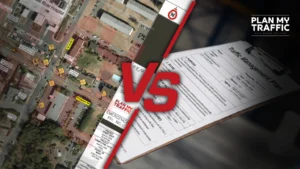
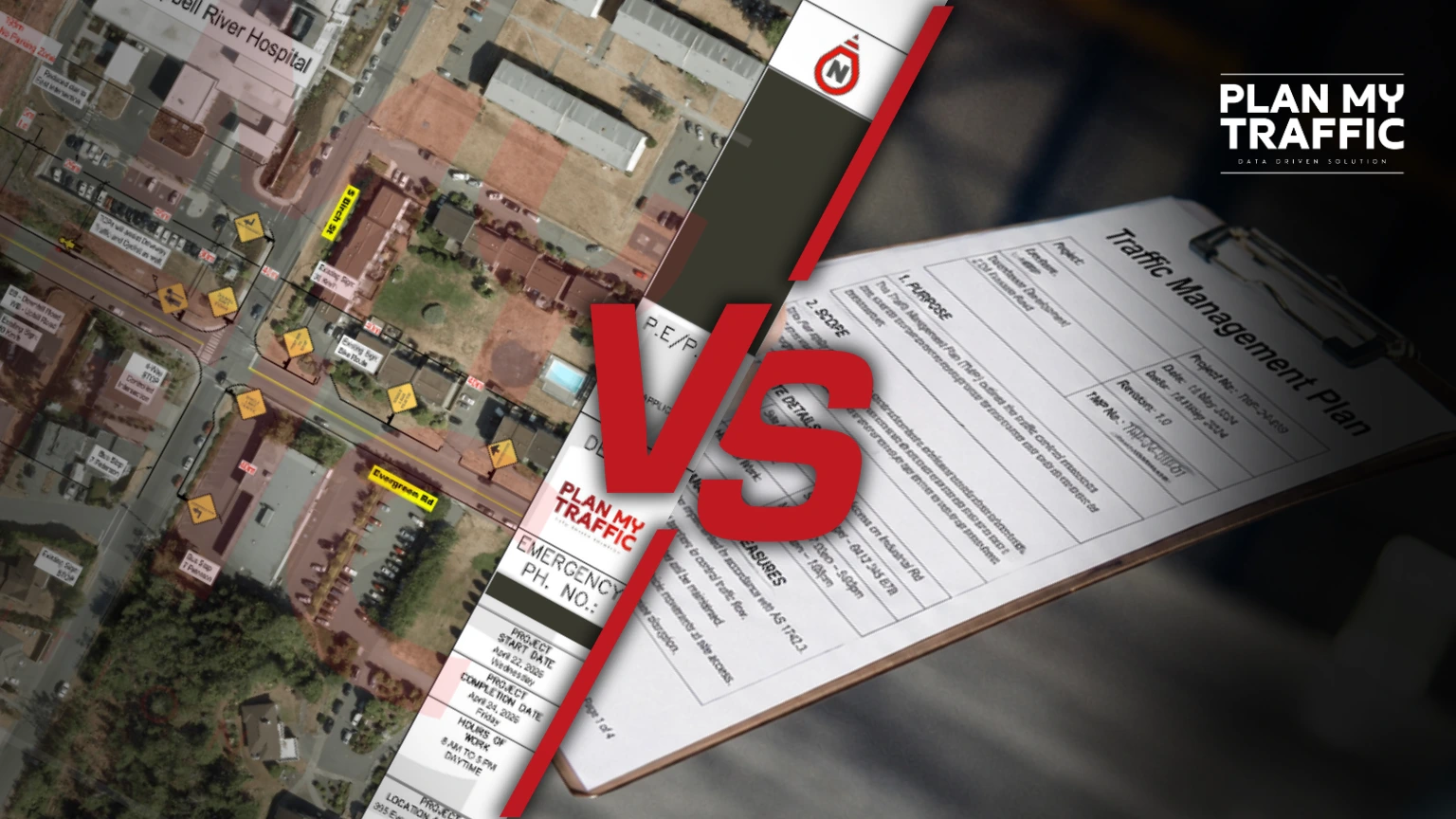
In Canadian project planning, differentiating between a Traffic Control Plan (TCP) and a Traffic Management Plan (TMP) is fundamental for proper execution and regulatory compliance. A Traffic Control Plan is a highly specific, operational document designed for short-term, localized traffic disruptions. It focuses on the immediate work zone, detailing how workers and equipment will be protected, and how traffic will be guided safely through or around the immediate construction or maintenance area. This plan is typically created by a certified traffic control person or a qualified supervisor and outlines signage, flagging procedures, temporary lane closures, and pedestrian pathways for a limited duration and scope.
Conversely, a Traffic Management Plan is a broader, strategic document. It addresses long-term or larger-scale projects that have a significant and prolonged impact on the existing transportation network. A TMP considers the wider effects on surrounding roads, public transit, emergency services, and local businesses over an extended period, which could be weeks, months, or even years. This type of plan often involves extensive stakeholder consultation, traffic impact assessments, alternative route planning, public communication strategies, and sometimes even the need for new temporary infrastructure. It aims to minimize disruption and maintain overall traffic flow across a larger area, not just the immediate work zone.
Why Distinguishing Between a TCP and a TMP is Essential for Project Success
Project managers, contractors, and developers often encounter significant setbacks due to misidentifying the required traffic planning document. The primary pain point is the confusion over which type of plan is necessary, leading to incomplete permit applications and frustrating rejections from municipal authorities or provincial ministries like the BC Ministry of Transportation and Infrastructure. Submitting a basic Traffic Control Plan when a comprehensive Traffic Management Plan is mandated can halt a project before it even begins, incurring substantial costs and delays.
Beyond approvals, correctly identifying the plan ensures the safety of workers, the public, and road users. An inadequately scoped plan can lead to unsafe work environments, traffic congestion, and increased accident risks. For instance, a small utility repair might only need a detailed TCP, but a multi-phase infrastructure upgrade impacting major arterial roads definitely requires a robust TMP to consider regional traffic patterns, public transit routes, and local access. Understanding this distinction from the outset helps allocate appropriate resources, secure the correct permits, and maintain compliance with local and provincial regulations, such as those outlined in specific provincial guidelines like the BC TMM 2020.
Key Requirements and Components of Each Plan Type
Each type of traffic plan serves a distinct purpose, requiring specific elements to meet regulatory standards and operational needs. Understanding these components is critical for drafting an effective and approvable document, whether it’s a localized setup or a major project impacting an entire transportation corridor. The scope dictates the depth and complexity of the required documentation.
Traffic Control Plan (TCP) Components
A Traffic Control Plan is a detailed blueprint for managing traffic and ensuring safety within a specific work zone. It must clearly illustrate the setup for a particular site, often including sketches of traffic control devices. Key components typically include a site-specific drawing showing the location of the work, placement of temporary traffic control devices (signs, cones, barricades), flagger positions and procedures, and pedestrian detours. It outlines specific device spacing requirements, speed reductions, and temporary lane configurations. The plan must comply with provincial standards such as British Columbia’s BC TMM, Manitoba’s WZTCM, and Saskatchewan’s TCDWZ, or Ontario’s OTM Book 7, specifying equipment, personnel certification, and emergency contact information. For example, a lane closure on a suburban street for a utility repair would require a TCP detailing signage for advance warning, tapers, and a clear work area with appropriate barriers, ensuring the safety of both workers and passing vehicles.
Traffic Management Plan (TMP) Components
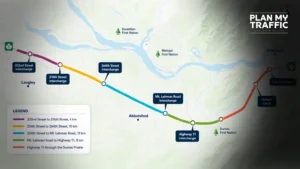
A Traffic Management Plan encompasses a much broader scope, considering the wider impact of a project. It begins with a comprehensive traffic impact assessment, analyzing existing traffic patterns, congestion points, and stakeholder needs. A TMP typically includes a public communication strategy to inform commuters, residents, and businesses about potential disruptions, alternative routes, and project timelines. It often details phasing strategies for long-term projects, ensuring minimal disruption during different construction stages. Considerations for public transit re-routing, cyclist safety, emergency vehicle access, and environmental impacts are also standard. For major projects like bridge construction or significant road realignments in cities like Vancouver, a TMP would involve extensive modeling, stakeholder engagement with local councils and transit authorities, and robust contingency plans for unexpected events, aiming to sustain regional mobility throughout the project’s duration.
Common Misunderstandings and Potential Pitfalls
Even experienced professionals can make critical errors when distinguishing between a TCP and a TMP, leading to significant project delays and increased costs. A fundamental misunderstanding of regulatory expectations is a frequent challenge, often resulting in rework or permit denials. Recognizing these common pitfalls early can save considerable time and resources.
Mistaking a TCP for a TMP (or Vice-Versa)
One of the most common mistakes is submitting a basic Traffic Control Plan when the project’s scope genuinely demands a comprehensive Traffic Management Plan. This usually happens when project managers underestimate the long-term or widespread impact of their work. For instance, a multi-month road widening project that affects peak-hour traffic across several intersections might be incorrectly framed with just a TCP focusing on the immediate work zone, completely overlooking the broader regional traffic implications, public transit adjustments, and stakeholder communications.
This oversight invariably leads to immediate rejection by the authority having jurisdiction, such as the City of Surrey’s engineering department, which expects a full TMP for such an impactful undertaking. The inverse, submitting an overly complex TMP for a simple, short-duration task, while less critical, can still lead to unnecessary expenditure and bureaucracy, highlighting the importance of precise scope assessment.
Underestimating Regulatory Scrutiny and Evolving Standards
Another significant pitfall is underestimating the level of scrutiny regulatory bodies apply to traffic plans. Many assume that a standard template or a slightly modified previous plan will suffice, unaware that standards like the WorkSafeBC OHS Regulation Part 18 or the Ontario Traffic Manual (OTM) Book 7 are continually updated. A common issue arises when plans fail to account for specific provincial or municipal amendments, or neglect detailed elements like pedestrian accessibility requirements or specialized signage for vulnerable road users. This can result in plans being returned for revisions, sometimes multiple times, causing weeks or months of project delays.
For instance, new requirements for cyclist protection or specific detour signage in areas with high pedestrian traffic, as mandated by urban development bylaws in cities like Toronto, are frequently overlooked, necessitating costly and time-consuming redesigns and resubmissions.
Practical Applications and Project Scenarios
Understanding the theoretical differences between a Traffic Control Plan (TCP) and a Traffic Management Plan (TMP) becomes clearer when applied to real-world project scenarios. The scope, duration, and impact of a project on the wider transportation network are the primary determinants in choosing the appropriate plan. This practical application helps clarify the regulatory requirements and ensures efficient project delivery while minimizing public inconvenience.
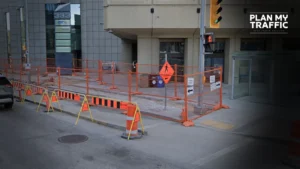
For example, a short-term sidewalk repair or utility pole replacement that takes less than a day on a residential street with minimal traffic flow would typically require a Traffic Control Plan. This TCP would outline temporary signage, cone placement, and perhaps a single flag person to guide local traffic safely past the work area. The impact is contained, localized, and brief. Conversely, consider a project involving the installation of a new underground pipeline across several major intersections in a busy metropolitan area, spanning several months.
This scenario would definitively demand a comprehensive Traffic Management Plan. The TMP would address phased lane closures, traffic signal timing adjustments, extensive public notification campaigns, coordination with emergency services, and detailed alternative route planning for cars, buses, and cyclists, considering the ripple effect on urban mobility. Another example is a large-scale event, such as a marathon or festival in Calgary, which necessitates a Special Event Traffic Management Plan, a specialized type of TMP that accounts for large pedestrian flows, road closures, and public safety across an entire event footprint.
When Professional Support for Traffic Planning Becomes Useful
While this article clarifies the distinctions between Traffic Control Plans and Traffic Management Plans, the complexities of regulatory compliance, evolving standards, and the sheer detail required for both can often necessitate professional assistance. Many contractors and developers, despite their operational expertise, find themselves overwhelmed by the nuanced requirements imposed by various Canadian jurisdictions, including provincial departments of transportation and specific municipal bylaws. This is particularly true for projects that intersect with multiple regulatory bodies or those that involve significant public impact.
This is where Plan My Traffic adds real value. Their team of certified traffic engineers assesses your site conditions, determines the correct plan type, and prepares compliant documentation aligned with required provincial standards such as BC’s TMM, Manitoba’s WZTCM, Saskatchewan’s TCDWZ, and Ontario’s OTM Book 7, so you can focus on your project without worrying about approval delays or regulatory gaps. For any project where clarity on compliance, safety, and efficient traffic flow is paramount, partnering with specialists ensures that the correct plan is developed, approved, and implemented, safeguarding your project from costly delays and potential liabilities.
Conclusion
Understanding the distinct differences between a Traffic Control Plan VS Traffic Management Plan is crucial for successful project approvals across Canada. While a Traffic Control Plan details on-site worker and vehicle safety during immediate work, a Traffic Management Plan addresses broader, long-term impacts on public traffic flow and community access. Misidentifying the required plan can cause significant delays and compliance issues. For contractors, project managers, and developers, clarity on these requirements ensures efficient planning and avoids costly rejections, positioning professional guidance as a valuable asset for complex scenarios.
Request a Quote
Ready to Work Together? Build a project with us!
Frequently Asked Questions
1. What is the main difference between a Traffic Control Plan (TCP) and a Traffic Management Plan (TMP)?
A TCP focuses on immediate, on-site traffic flow during specific work activities using signs, cones, and flaggers. It addresses short-term disruptions. A TMP offers a broader, strategic approach to traffic impacts over a project’s entire lifecycle, considering detours, public communication, and long-term effects on the wider road network.
2. When is a Traffic Control Plan typically required for a project in Canada?
A TCP is essential for any project involving temporary disruptions to traffic flow on public roads. This includes construction, utility work, or special events where workers, pedestrians, or vehicles need guidance around a work zone. Authorities like municipal public works departments usually require it for permit approval.
3. What elements does a comprehensive Traffic Management Plan include?
A TMP includes a detailed analysis of traffic impacts, proposed diversions, public notification strategies, emergency response plans, and environmental considerations. It often incorporates multiple TCPs for various project phases. This extensive plan is crucial for large-scale developments or projects with significant, prolonged traffic effects.
4. Does the Traffic Control Plan VS Traffic Management Plan distinction affect project approval timelines in Canada?
Yes, submitting the wrong plan type is one of the most common reasons for permit rejection or revision requests. Identifying whether your project needs a TCP or TMP from the start significantly reduces back-and-forth with provincial or municipal authorities, keeping your project on schedule.