What Is a Traffic Management Plan Vancouver?
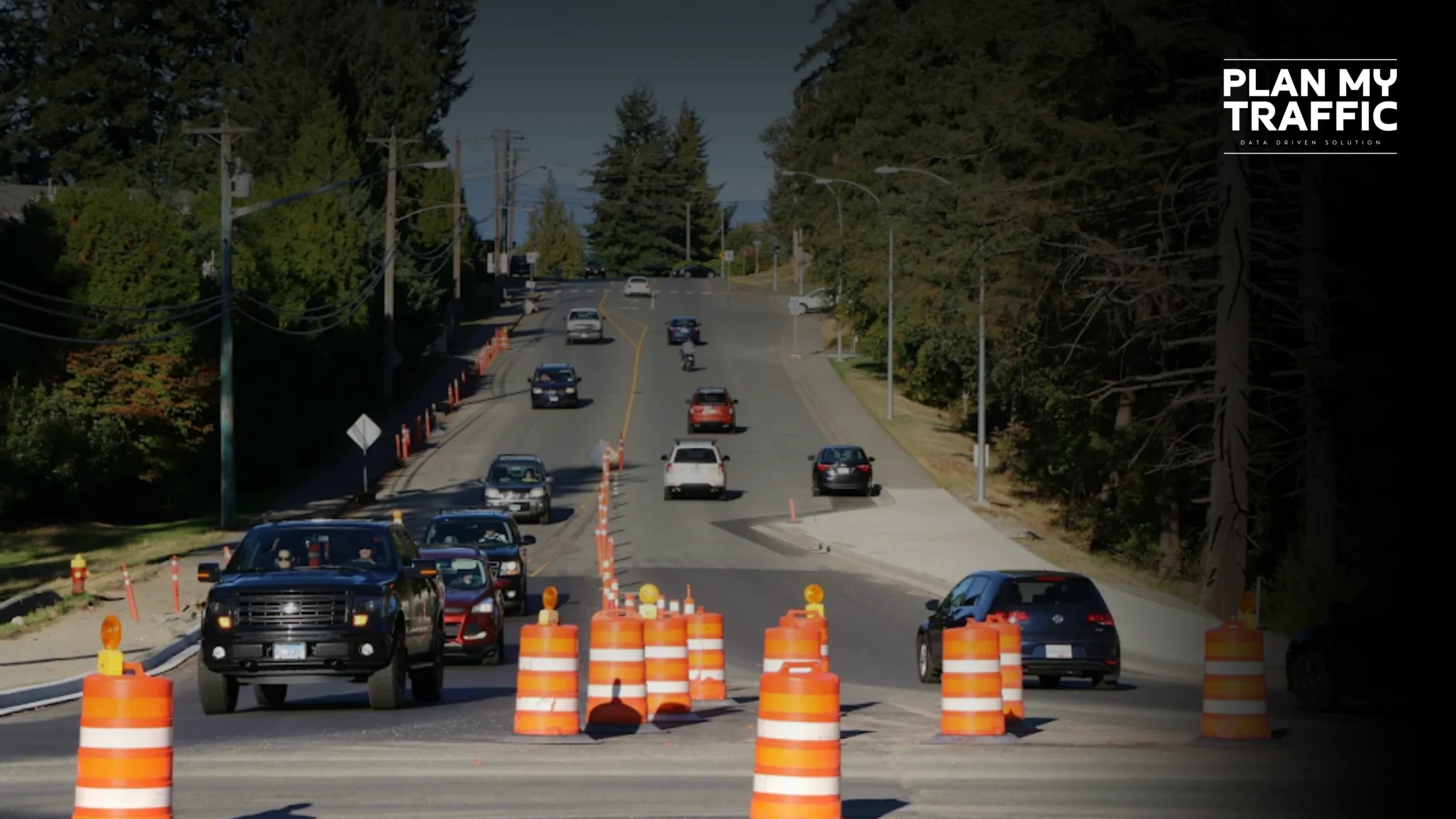
A Traffic Management Plan Vancouver (TMP) is a comprehensive document that outlines how construction activities, special events, or infrastructure projects will manage traffic flow, ensure public safety, and minimize disruptions to pedestrians, cyclists, and motorists. According to the City of Vancouver’s official guidelines, construction and special event projects using Vancouver streets, laneways, sidewalks, bicycle facilities, and other transportation infrastructure must implement proper traffic control through work and event zones.
-
Traffic Control Plans (TCP): Detailed drawings showing work areas, flagger positions, signage placement, and traffic control devices
-
Public Information Plans: Communication strategies for notifying stakeholders and the public about traffic impacts
-
Incident Response Plans: Protocols for handling emergencies and unplanned disruptions
-
Implementation Plans: Roles, responsibilities, and qualifications for traffic management personnel
When Do You Need a Traffic Management Plan Vancouver?
1. Construction Activities Affecting Public Roadways
-
Building construction requiring lane closures or sidewalk detours
-
Utility infrastructure work affecting traffic flow
-
Demolition projects impacting adjacent roadways
-
Excavation work requiring street occupancy
The City of Vancouver requires that private contractors and utility companies meet traffic control standards set by the BC Ministry of Transportation and Transit. These standards ensure that construction activities don’t compromise public safety or create hazardous conditions for motorists, cyclists, and pedestrians.
2. Special Events and Temporary Activities
-
Pedestrian and cyclist safety around event zones
-
Emergency vehicle access maintenance
-
Transit service impacts and mitigation
-
Parking management and community disruption minimization
3. Projects Near High-Traffic Areas
Developments near Vancouver’s arterial roads, transit corridors, or high-pedestrian zones face heightened scrutiny. The Vancouver Fraser Port Authority requires temporary construction traffic management plans for projects generating 100+ new vehicle movements per hour during peak periods or involving temporary disruptions like lane closures.
4. Complex Multi-Phase Developments
Large-scale commercial projects with extended construction timelines benefit from comprehensive Traffic Management Plan Vancouver documentation that addresses evolving traffic impacts across different construction phases. These plans must be dynamic documents, updated as site conditions change.
Critical Components of an Effective Traffic Management Plan Vancouver
Project Details and Construction Schedule
-
Project location and boundaries
-
Construction phases and duration
-
Contractor information and 24-hour contact details
-
Anticipated traffic generation (truck trips, worker vehicles)
The City of North Vancouver’s guidelines (which inform best practices across the region) recommend submitting TMPs at least ten working days before construction begins to allow adequate review time.
Mobility Impact Assessment
-
Pedestrian accommodations: Maintaining accessible pathways and addressing safety concerns for foot traffic
-
Cyclist safety: Ensuring bicycle route continuity, particularly on designated cycling corridors
-
Transit impacts: Coordination with TransLink for any service disruptions
-
Emergency vehicle access: Maintaining clear routes for first responders
-
Truck routing: Designated haul routes that minimize community impact
The North Vancouver Bicycle Plan emphasizes that designated bicycle routes are critical infrastructure, and every effort must be made to allow safe passage through construction zones. This priority reflects broader Vancouver regional transportation planning principles.
Work Zone Traffic Control
-
Signage types and placement (including advance warning signs)
-
Traffic control personnel requirements and certifications
-
Barrier and delineation device specifications
-
Lighting requirements for nighttime work
-
Lane width maintenance (minimum 12 feet unless specifically approved otherwise)
For projects on arterial streets, the City of Vancouver requires Type B arrow boards for any lane closures. These technical specifications ensure that traffic control measures meet provincial safety standards.
Community Impact Mitigation
-
Parking impact assessment and mitigation strategies
-
Noise and dust control measures
-
Business access maintenance during construction
-
Community notification protocols
Using on-street parking to accommodate construction site needs is generally discouraged given the impact on residents and businesses. Alternative strategies should be identified in your TMP.
The Cost of Inadequate Planning: Permit Delays and Project Risks
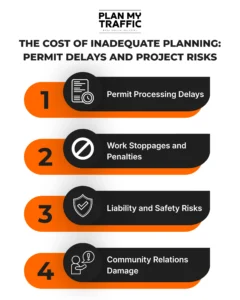
Permit Processing Delays
Incomplete or inadequate TMP submissions result in immediate plan rejection and resubmission requirements. The City of Vancouver and surrounding municipalities require minimum 10 working days for TMP review. Resubmissions restart this timeline, potentially delaying project start dates by weeks.
Work Stoppages and Penalties
During construction, compliance officers conduct periodic inspections. Any identified issues must be addressed immediately, or revised plans may be required. Non-compliance can result in penalties deducted from security deposits or performance bonds, and serious violations may trigger work stoppages.
Liability and Safety Risks
Community Relations Damage
Not sure if your Traffic Management Plan Vancouver meets approval standards? A small mistake can delay your project by weeks.
Best Practices for Traffic Management Plan Vancouver Preparation
Engage Qualified Consultants
The City of North Vancouver strongly recommends that contractors responsible for TMP submissions liaise with traffic engineering consultants to facilitate plan preparation. Professional traffic engineers understand municipal requirements, technical standards, and approval processes expertise that accelerates permit timelines and ensures comprehensive coverage.
Start Early and Plan for Iteration
Begin your Traffic Management Plan Vancouver development during the pre-construction planning phase, not after permit application submission. Anticipate that initial submissions may require revision based on municipal feedback, and build this timeline into your project schedule.
Coordinate with Multiple Stakeholders
-
Municipal transportation engineering departments
-
Transit authorities (TransLink)
-
Emergency services
-
Utility companies
-
Adjacent property owners and businesses
Plan for Dynamic Updates
Construction conditions change. Your Traffic Management Plan Vancouver should include protocols for plan amendments when unanticipated conditions arise, construction phases transition, or traffic impacts differ from initial projections. Establishing clear amendment procedures upfront prevents compliance gaps during project execution.
Regulatory Framework and Compliance Standards
BC Ministry of Transportation and Infrastructure Standards
Provincial standards established in the BC Traffic Control Manual for Work on Roadways provide the technical foundation for Vancouver’s traffic management requirements. These standards address work zone categories, traffic control device specifications, and personnel certification requirements.
WorkSafeBC Enforcement
WorkSafeBC enforces occupational health and safety regulations related to traffic control, including Part 18 of the Occupational Health & Safety Regulations regarding traffic control personnel supervision. Commercial projects must ensure that traffic control supervisors are properly certified and that all safety protocols meet provincial standards.
Municipal Monitoring
Digital Submission and Review Processes
Modern Traffic Management Plan Vancouver submissions leverage digital platforms for efficiency. The City of Vancouver’s ePlans system enables electronic plan submission, review tracking, and revision management. Key benefits include:
-
24/7 access for plan uploads and status checking
-
Reduced processing time compared to paper submissions
-
Real-time comment tracking during review
-
Electronic approval and permit issuance
Cost Considerations and Budget Planning
While the City of Vancouver doesn’t charge for Traffic Control Plan review and approval, commercial developers should budget for:
-
Professional consulting fees: Traffic engineering consultants typically charge based on project complexity and TMP scope
-
Traffic control equipment: Signs, barriers, arrow boards, and other required devices
-
Personnel costs: Certified traffic control personnel for plan implementation
-
Plan amendment costs: Budget for potential plan revisions during project execution
Conclusion
Frequently Asked Questions (FAQs)
Q1: How long does it take to get a Traffic Management Plan Vancouver approved?
A Traffic Management Plan Vancouver typically takes at least 10 working days for initial review by municipal authorities. However, this timeline depends on project complexity and submission quality. If the plan requires revisions, the approval process can extend by several additional days or even weeks. Submitting a complete and compliant plan the first time is critical to avoid delays. Early planning helps keep your project timeline on track.
Q2: Who can prepare a Traffic Management Plan Vancouver?
A Traffic Management Plan Vancouver can be prepared by contractors, but it is strongly recommended to work with experienced traffic management professionals. Qualified consultants understand BC TMM standards, municipal requirements, and approval expectations. They ensure that all technical elements like signage, layouts, and safety measures are correctly included. This significantly reduces the risk of rejection and saves time during the review process. For complex projects, professional involvement is often essential.
If your Traffic Management Plan Vancouver is rejected, you must revise and resubmit the plan based on the authority’s feedback. This restarts the review timeline and can delay your project schedule. In some cases, repeated rejections may increase costs due to redesign, resubmission, and idle resources. It can also impact coordination with contractors and stakeholders. Ensuring compliance before submission helps avoid these setbacks and keeps your project moving forward efficiently.