
Navigating construction projects? This guide helps you understand how to create effective construction permit traffic plans that meet safety and regulatory requirements.
Understanding Construction Permit Traffic Plans
Construction permit traffic plans are integral documents designed to manage and control traffic around construction zones. They are essential for ensuring the safety of both the construction crew and the general public. These plans involve detailed schematics showing the layout of traffic control devices such as signs, barricades, and cones. They also outline the placement of flaggers and other personnel who will be directing traffic. Without a well-structured plan, a construction site can become a hazardous area prone to accidents and inefficiencies.
Traffic plans help in coordinating the movement of vehicles and pedestrians, thereby reducing the risk of collisions and congestion. They are not just limited to large-scale projects but are equally important for smaller construction activities that may affect public roadways. The primary goal is to minimize disruptions and ensure that traffic flows smoothly around the construction area, which in turn helps in maintaining public trust and confidence in the construction process.
Moreover, construction permit traffic plans are often a prerequisite for obtaining necessary permits from local authorities. These permits are essential for the legal commencement of any construction project that impacts public roads. A well-drafted traffic plan demonstrates a construction company’s commitment to safety and regulatory compliance, which can expedite the approval process. Well-prepared construction permit traffic plans reduce risks and improve overall site efficiency. Therefore, understanding the intricacies of these plans is crucial for any construction manager or project planner.
Importance of Traffic Plans in Construction Projects
The significance of traffic plans in construction projects cannot be overstated. They serve as a blueprint for managing the complex interactions between construction activities and public roadways. Proper construction permit traffic plans are critical for maintaining both safety and project timelines. One of the primary reasons these plans are crucial is that they help in mitigating risks associated with road construction. Accidents and mishaps can lead to severe consequences, including injuries, fatalities, and legal liabilities. By having a robust traffic plan in place, these risks can be significantly reduced.
In addition to safety, traffic plans also play a vital role in maintaining project timelines. Construction projects are often subject to tight deadlines, and any unplanned disruptions can lead to costly delays. A well-executed traffic plan ensures that construction activities proceed without unnecessary interruptions, thereby helping to keep the project on schedule. This is particularly important for projects that are time-sensitive, such as those involving public infrastructure.
Another critical aspect is public relations. Construction activities can be a source of inconvenience for the general public. Traffic jams, detours, and delays can lead to frustration and complaints. A comprehensive traffic plan that minimizes these disruptions can go a long way in maintaining a positive relationship with the community. It shows that the construction company is considerate of public welfare, which can enhance its reputation and foster goodwill.
Key Components of a Construction Traffic Plan
A construction traffic plan comprises several key components, each designed to ensure the smooth and safe flow of traffic around the construction site. One of the primary elements is the layout of traffic control devices. Every effective construction permit traffic plan includes clearly defined components. These include signs, cones, barricades, and pavement markings that guide drivers and pedestrians safely around the construction zone. The placement and type of these devices are crucial for effectively managing traffic flow and minimizing confusion.
Another essential component is the designation of traffic control personnel. These individuals, often referred to as flaggers, play a critical role in directing traffic through the construction area. They are responsible for signaling drivers, managing vehicular flow, and ensuring that pedestrians can navigate the site safely. Proper training and clear communication are vital for these personnel to perform their duties effectively.
Additionally, a construction traffic plan should include a detailed schedule outlining the various phases of the project and how traffic will be managed during each phase. This schedule should take into account peak traffic hours, special events, and other factors that could impact traffic flow. By planning for these variables, the construction team can anticipate potential issues and implement strategies to mitigate them. This proactive approach helps in maintaining a seamless flow of traffic throughout the duration of the project.
Regulatory Requirements for Traffic Plans
Compliance with regulatory requirements is a fundamental aspect of construction traffic plans. Various local, state, and federal agencies have established guidelines and standards that must be adhered to when developing these plans. Most authorities require construction permit traffic plans to comply with established standards. These regulations are designed to ensure the safety and efficiency of traffic management around construction sites. Failing to comply with these requirements can result in legal penalties, project delays, and increased risk of accidents.
One of the primary regulatory bodies is the Department of Transportation (DOT), which provides comprehensive guidelines on the placement of traffic control devices, signage, and other safety measures. These guidelines are often based on the Manual on Uniform Traffic Control Devices (MUTCD), a document that standardizes traffic control practices across the United States. Adherence to MUTCD guidelines is crucial for ensuring that traffic control measures are consistent and effective.
In addition to DOT regulations, construction projects may also be subject to local ordinances and zoning laws. These regulations can vary significantly from one jurisdiction to another, making it essential for construction managers to familiarize themselves with the specific requirements of the area in which they are working. This may involve obtaining various permits and approvals before commencing construction activities. By ensuring compliance with all relevant regulations, construction teams can avoid legal complications and ensure the smooth progression of their projects.
Don’t risk delays, safety issues, or permit rejection ,build a construction permit traffic plan that meets real site conditions and regulatory requirements.
Steps to Create an Effective Traffic Management Plan
Step-by-step process to develop effective construction permit traffic plans for safe and compliant project execution.
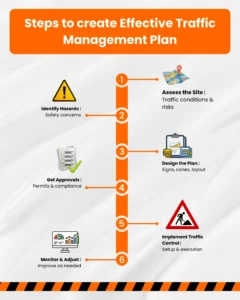
Creating an effective traffic management plan involves several critical steps, each designed to ensure the safe and efficient flow of traffic around the construction site. The first step is to conduct a thorough site assessment. Developing construction permit traffic plans starts with a detailed site assessment. This involves evaluating the existing traffic conditions, identifying potential hazards, and determining the impact of the construction activities on traffic flow. By understanding the current traffic dynamics, the construction team can develop strategies to mitigate disruptions and enhance safety.
The next step is to design the layout of traffic control devices. This includes determining the type and placement of signs, cones, barricades, and other devices that will guide drivers and pedestrians safely through the construction zone. The design should be based on established guidelines and best practices to ensure that it effectively manages traffic flow. It is also essential to consider the needs of special populations, such as pedestrians, cyclists, and individuals with disabilities, when designing the layout.
Once the layout is finalized, the next step is to develop a detailed implementation plan. This plan should outline the various phases of the construction project and how traffic will be managed during each phase. It should include a schedule of when and where traffic control devices will be deployed, as well as the roles and responsibilities of traffic control personnel. By having a clear and comprehensive implementation plan, the construction team can ensure that traffic management measures are executed smoothly and effectively.
Safety Considerations for Construction Traffic Plans
Safety is the cornerstone of any construction traffic plan. Ensuring the well-being of both the construction crew and the general public is paramount when designing and implementing traffic management measures. One of the primary safety considerations is the visibility of traffic control devices. Signs, cones, and barricades should be highly visible, especially during nighttime operations or in adverse weather conditions. Reflective materials and adequate lighting can enhance visibility and reduce the risk of accidents.
Another critical safety consideration is the training of traffic control personnel. Flaggers and other individuals responsible for directing traffic should receive comprehensive training on traffic control practices, communication techniques, and emergency response procedures. Proper training ensures that these personnel can effectively manage traffic flow and respond to any unforeseen incidents. Regular refresher courses and drills can help maintain a high level of preparedness and competence.
Additionally, it is essential to consider the safety of pedestrians and cyclists when developing a construction traffic plan. Dedicated pathways and crossings should be established to ensure that these individuals can navigate the construction zone safely. Barriers and signage should be used to clearly delineate pedestrian and cyclist routes, and measures should be taken to minimize their exposure to construction activities. By prioritizing the safety of all road users, construction teams can create a safer and more efficient traffic management plan.
Common Challenges and Solutions in Traffic Planning
Traffic planning for construction projects presents several challenges, each requiring strategic solutions to ensure the smooth flow of traffic and the safety of all road users. One common challenge is managing traffic during peak hours. High traffic volumes can lead to congestion and delays, making it difficult for construction activities to proceed smoothly. To address this challenge, construction teams can schedule work during off-peak hours or implement temporary traffic control measures, such as lane closures and detours, to alleviate congestion.
Another challenge is coordinating with multiple stakeholders, including local authorities, utility companies, and the general public. Effective communication and collaboration are essential for ensuring that all parties are informed and on board with the traffic management plan. Regular meetings and updates can help facilitate coordination and address any concerns or issues that may arise. By fostering a collaborative approach, construction teams can ensure that traffic management measures are implemented effectively and efficiently.
Unexpected incidents, such as accidents or equipment failures, can also pose significant challenges to traffic planning. To mitigate the impact of these incidents, construction teams should develop contingency plans that outline the steps to be taken in the event of an emergency. This may include rerouting traffic, deploying additional personnel, or temporarily halting construction activities. By having a contingency plan in place, construction teams can respond swiftly and effectively to any unforeseen events, minimizing disruptions and ensuring the safety of all road users.
A weak traffic plan can delay your entire project, get a compliant, site-specific plan that works from day one.
Tools and Software for Traffic Plan Development
Modern technology has revolutionized the way construction traffic plans are developed and implemented. Various tools and software solutions are available to assist construction teams in creating comprehensive and effective traffic management plans. One of the most widely used tools is computer-aided design (CAD) software, which allows for the precise mapping and visualization of traffic control devices and layouts. CAD software enables construction teams to create detailed and accurate plans that can be easily modified and updated as needed.
Another valuable tool is traffic simulation software, which allows construction teams to model and analyze different traffic scenarios. By simulating traffic flow and identifying potential bottlenecks and hazards, construction teams can develop strategies to mitigate disruptions and enhance safety. Traffic simulation software can also be used to evaluate the effectiveness of different traffic control measures, helping construction teams make informed decisions and optimize their traffic management plans.
In addition to CAD and simulation software, various mobile applications and cloud-based platforms are available to assist with traffic plan development and implementation. These tools enable real-time communication and collaboration among team members, allowing for the seamless sharing of information and updates. Mobile applications can also be used to monitor traffic conditions and track the progress of construction activities, providing valuable insights and data for refining and improving traffic management measures. By leveraging these advanced tools and software solutions, construction teams can develop more efficient and effective construction permit traffic plans.
Case Studies: Successful Traffic Plans in Construction
Examining case studies of successful traffic plans can provide valuable insights and lessons for construction teams. One notable example is the traffic management plan implemented during the construction of the Second Avenue Subway in New York City. This large-scale project presented numerous challenges, including high traffic volumes, limited space, and the need to maintain access to local businesses and residences. The traffic plan involved extensive coordination with local authorities and stakeholders, as well as the implementation of innovative traffic control measures, such as temporary pedestrian bridges and dedicated bus lanes. The result was a successful project that minimized disruptions and maintained the safety and convenience of all road users.
Another example is the traffic plan developed for the reconstruction of the bridge in Minneapolis. Following the tragic collapse of the original bridge, the reconstruction project required a comprehensive traffic management plan to ensure the safety of both workers and the public. The plan involved the use of advanced traffic monitoring and control systems, as well as the implementation of detours and alternative routes to manage traffic flow. The project was completed ahead of schedule and received praise for its effective traffic management measures.
A third case study is the traffic plan for the Cross rail project in London, one of the largest infrastructure projects in Europe. The project involved the construction of new railway lines and stations in a densely populated urban area, presenting significant traffic management challenges. The traffic plan included the use of real-time traffic monitoring and control systems, as well as extensive public outreach and communication efforts. The project successfully minimized disruptions and maintained the safety and convenience of all road users, demonstrating the importance of effective traffic planning in large-scale construction projects.
Conclusion and Best Practices for Future Projects
In conclusion, construction permit traffic plans are essential for ensuring the safe and efficient flow of traffic around construction zones. By understanding the importance of these plans, familiarizing themselves with regulatory requirements, and following best practices, construction teams can develop and implement effective traffic management measures. Key components of a successful traffic plan include the layout of traffic control devices, the designation of traffic control personnel, and the development of a detailed implementation plan. Safety considerations, such as visibility, training, and pedestrian and cyclist safety, are paramount when designing and executing traffic plans.
Common challenges in traffic planning, such as managing peak-hour traffic, coordinating with stakeholders, and responding to unexpected incidents, can be addressed through strategic solutions and contingency planning. Leveraging advanced tools and software, such as CAD and traffic simulation software, can enhance the development and implementation of traffic plans. Examining case studies of successful traffic plans can provide valuable insights and lessons for future projects.
By prioritizing safety, maintaining effective communication and collaboration, and staying informed of regulatory requirements, construction teams can develop traffic plans that minimize disruptions, enhance safety, and ensure the smooth progression of construction activities. Strong construction permit traffic plans ensure safety, compliance, and smooth project execution. These best practices will contribute to the successful completion of construction projects and the continued safety and convenience of all road users.
Frequently Asked Questions(FAQ)
1. What should be included in a construction permit traffic plan?
A strong construction permit traffic plan should include the layout of traffic control devices such as signs, cones, barricades, pavement markings, and flagger locations. It should also show how traffic and pedestrians will move safely around the work zone, how the project will be managed in each phase, and what special precautions are required during peak traffic periods or unusual site conditions. A complete plan also addresses regulatory compliance, safety considerations, and implementation details so that both reviewers and field teams understand exactly how the site will operate.
2. What happens if a traffic plan is missing or not compliant?
If a traffic plan is missing, incomplete, or does not meet regulatory standards, the project can face permit rejection, approval delays, legal issues, and increased safety risks. In some cases, work may not be allowed to begin until the traffic plan is revised and accepted. A poor plan can also lead to traffic confusion, complaints from the public, and costly interruptions once the project is already underway. That is why compliance is not just a paperwork requirement, it directly affects project timelines, safety, and operational efficiency.
3. How do traffic plans help keep construction projects on schedule?
Traffic plans support project timelines by reducing the chance of unexpected disruptions around the work zone. When traffic flow, detours, signage, and personnel responsibilities are clearly planned in advance, the job can proceed more smoothly and with fewer interruptions. This is especially important on time-sensitive construction projects where delays can create extra labour costs, scheduling conflicts, and public frustration. A well-executed traffic plan helps construction teams control site conditions instead of reacting to problems after they happen.