How Canada’s 2026 Driving Rule Changes Affect Work Zone Safety Planning
Across Canada, 2026 is bringing tougher driving rules, higher fines, and stricter enforcement. For contractors, project owners, and traffic control providers, these changes do not just affect drivers they directly impact how you design and manage work zone safety.
This guide explains, in simple terms, which new rules matter most for construction zones and how to adapt your traffic control plans (TCPs) and traffic management plans (TMPs).
1. What’s Changing for Drivers in 2026?
Several trends are emerging across provinces and territories:
-
Higher fines for dangerous behavior’s
Penalties for speeding, distracted driving, and careless driving are increasing, with some provinces raising fines by 30–50% and applying tougher penalties in construction and community safety zones. -
Expanded “Community Safety Zones” and school‑adjacent protections
More areas now qualify as safety zones, including spaces near schools, seniors’ homes, recreation centers, and other sensitive locations, often with lower speed limits and doubled fines. -
Stronger pedestrian and cyclist right‑of‑way rules
Laws are tightening around yielding to pedestrians in crosswalks and giving cyclists safe passing distances, especially in urban areas. -
New rules around EV charging zones and parking
In some provinces, blocking EV charging stations or failing to respect designated EV lanes can now lead to substantial fines. -
Tougher graduated licensing and monitoring
New and young drivers face stricter conditions and higher penalties for violations, including those in construction zones.
For work zones, the key point is simple: fines are higher, zones are more tightly defined, and enforcement is more aggressive.
2. Why These Changes Matter for Work Zone Planning
Many project teams assume that “stricter driving laws” only affect the general public. In reality, they change how your work zones must be planned and operated:
-
More risk if your signage and layouts are unclear
If drivers cannot tell when a construction zone starts or ends, they are more likely to be ticketed and more likely to challenge or complain about your setup. -
Greater scrutiny of work zones in safety and community zones
If your site is near a school, seniors’ facility, or busy pedestrian area, authorities will expect tighter controls, better signage, and stronger protection for vulnerable road users. -
Higher expectations for pedestrian and cyclist routes
With stronger right‑of‑way protections, leaving pedestrians or cyclists to “figure it out” around your site is no longer acceptable. -
Increased liability if your TCP/TMP is out of date
When laws change but your standard details stay the same, you risk non‑compliance, enforcement issues, and larger claims after an incident.
3. Key Work Zone Adjustments You Should Make in 2026
Here are practical changes to build into your work zone safety planning this year.
3.1 Clarify Where the Work Zone Starts and Ends
-
Use consistent, legible advance warning signs that match current standards.
-
Ensure reduced speed limit signs are placed where drivers can reasonably slow down before the work area.
-
Remove or cover any temporary signs as soon as the condition no longer applies, so drivers are not misled.
3.2 Treat Speed Management as a Design Element, Not an Afterthought
-
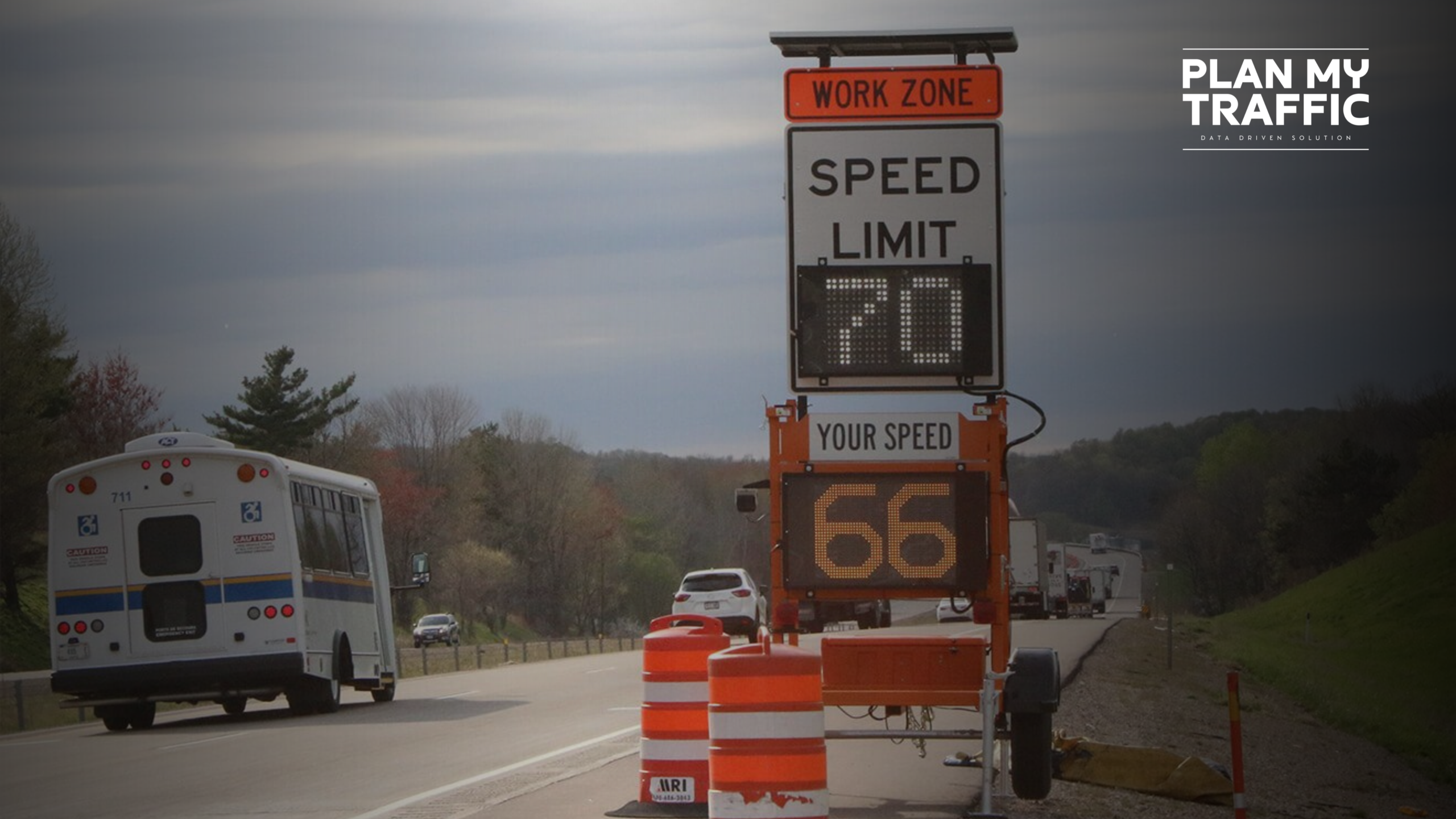
Adjust work zone speed limits to match current provincial guidance, especially in safety zones.
-
Combine reduced speeds with proper tapers, barriers, and visual narrowing not just a single sign.
-
Consider using portable message boards on higher‑speed corridors to reinforce speed expectations.
3.3 Protect Pedestrians and Cyclists by Design
-
Provide clearly signed, continuous pedestrian routes not dead‑ends that force people into live traffic.
-
Use barriers or separation where walking paths run near live lanes, especially in community safety zones.
-
Maintain or provide safe, visible cycling paths where bike lanes are disrupted, or clearly signed detours.
3.4 Plan for Enforced Rules Around EV and Parking Areas
-
Keep construction vehicles and equipment out of EV charging bays and clearly regulated parking areas.
-
If work must temporarily block charging or priority parking zones, reflect this in your TCP/TMP and signage.
-
Coordinate with owners or municipalities to agree on temporary arrangements and communication.
3.5 Update Your Internal TCP/TMP Templates
-
Review all standard work zone drawings and details against current 2026 rules.
-
Update notes on speed limits, safety zones, pedestrian priority, and enforcement expectations.
-
Make sure your field supervisors have access to the latest versions and understand what changed.
4. Impacts on Training, Supervision, and Documentation
The new rule environment also changes what you should expect from your supervisors and traffic control personnel:
-
Training must reflect current laws
Toolbox talks and formal training should now cover updated fines, community safety zones, pedestrian rules, and what constitutes an active construction zone. -
Supervisors need to actively inspect and adjust setups
It is not enough to “set it and forget it.” Regular inspections should confirm that signs are correct, visible, and consistent with the law and your approved plan. -
Incident records and plan revisions must be thorough
If a collision or near miss occurs, you will want clear documentation of your current TCP/TMP, inspection logs, and any adjustments made in response to site conditions.
5. A Simple 5‑Step Checklist for 2026 Work Zone Compliance
Before you start your next project, run through this quick checklist:
-
Confirm the latest provincial and local traffic rules
Especially around construction zones, community safety zones, and pedestrian/EV priorities. Refer to official guidance from Transport Canada to stay aligned with current national transportation safety standards. -
Review your standard TCP/TMP templates
Update speed limits, signage, and notes so they align with 2026 requirements. -
Design pedestrian and cyclist routes deliberately
Make safe walking and cycling paths part of the plan, not an afterthought. -
Brief your crews and traffic control personnel
Explain what changed this year and how it impacts their daily setup decisions. -
Monitor and adjust throughout the project
Inspect work zones regularly and be ready to adapt your plan if enforcement or conditions change.
6. How We Help You Stay Ahead of 2026 Rule Changes
Keeping up with evolving driving laws while running projects is a challenge. We help contractors and project owners by:
-
Auditing existing TCPs and TMPs against current 2026 requirements.
-
Updating standard drawings and notes to reflect stricter fines and safety expectations.
-
Designing site‑specific work zone plans that prioritize vulnerable road users and minimize your liability.
-
Supporting permit applications and responding to reviewer comments quickly.
Request a Quote
Ready to Work Together? Build a project with us!