
Traffic Management Plan (TMP)
Get a permit-ready Traffic Management Plan for construction, utility, maintenance, and special event projects across Canada. Built to help reduce approval delays, keep traffic moving safely, and support your project schedule.
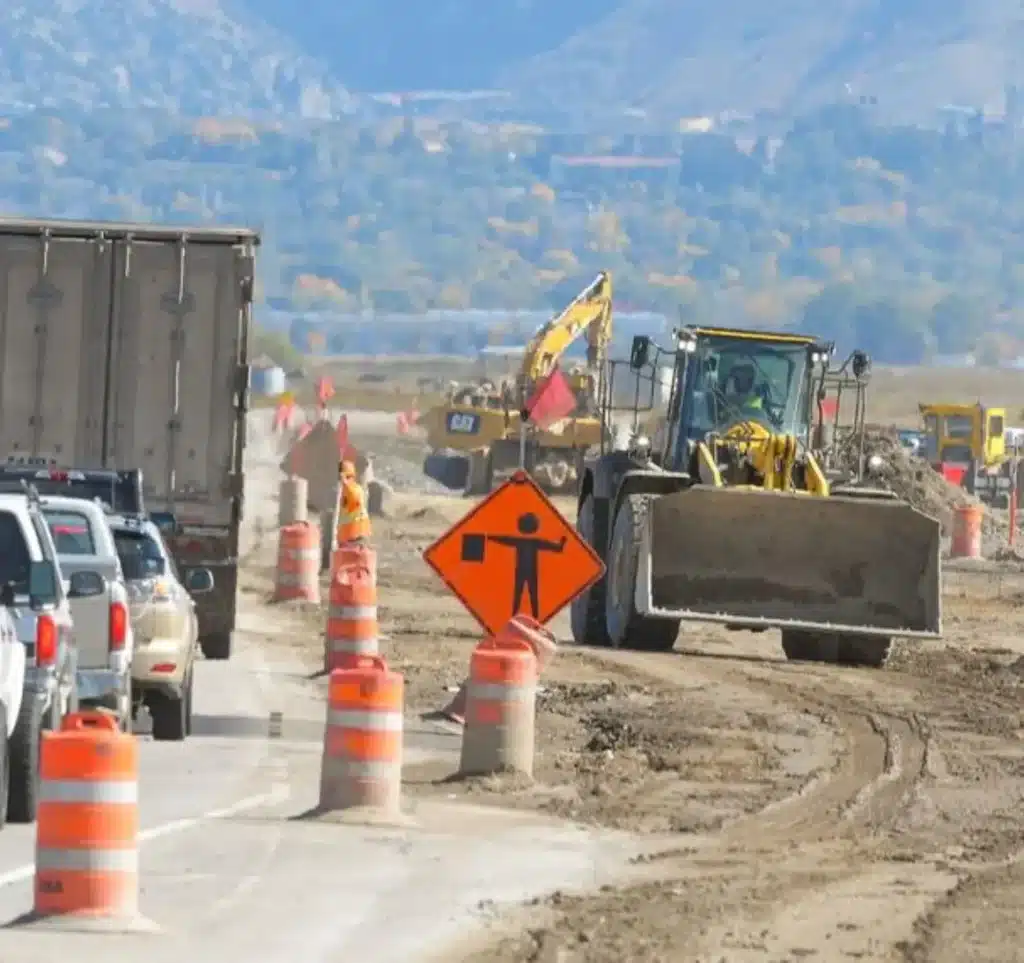
When You Need a Traffic Management Plan ?
If Your Work Changes Road Use, You Need a TMP
You may need a TMP when your project affects lane use, detours, temporary road access, pedestrian movement, cyclist routing, or work zone safety. If permit revisions or unclear traffic requirements can slow your job, a clear TMP helps protect schedule and coordination.
Traffic Management Plans Built for Canadian Compliance
Plan My Traffic prepares Traffic Management Plans based on your province, municipality, project scope, and road authority requirements. We design each plan to support local review, reduce rework, and help you move forward with clearer documentation.
What You Get ?
Included in Your TMP
- Province-specific TMP preparation based on the applicable traffic control standard.
- Traffic control drawings, detour routing, and road closure sequencing.
- Worker, pedestrian, cyclist, and emergency access planning.
- Documentation prepared for local road authority review and permit submission.
- Support for construction, maintenance, utility, and special event traffic planning

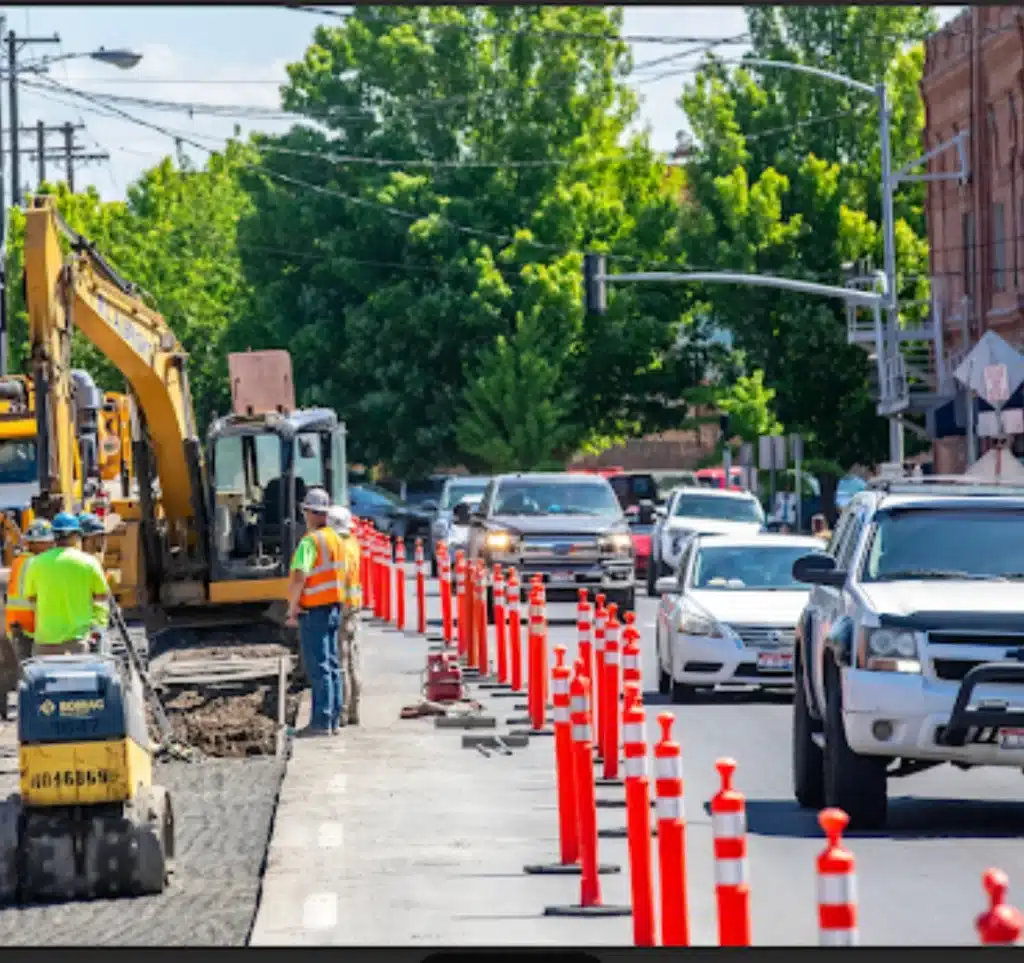
What Kind of Projects Need a Traffic Management Plan?
Residential, Commercial, Utility, and Infrastructure Projects
Traffic Management Plans are required across a wide range of project types, including residential developments, commercial construction, utility installations, and public infrastructure work. If your project impacts roadways, access points, pedestrian movement, or traffic flow, a TMP is needed to demonstrate safe planning and compliance. These requirements apply regardless of project size and are a common reason permits get delayed or rejected when overlooked.
How the Process Works
What Happens After You Share Your Project Details
Send your project location, supporting engineering drawings, scope, and timeline, and we immediately review what approvals your site actually requires. We identify traffic impacts (hazard and risk), prepare a site-specific Traffic Management Plan, and deliver submission-ready documents that match local standards. You don’t need to figure out compliance yourself; we handle the details so you can submit with clarity and avoid back-and-forth.
Why Contractors Choose Plan My Traffic
- Built for Canadian provincial and municipal compliance.
- Fast turnaround for permit and coordination needs.
- Clear, practical plans tailored to your project scope and location.
- Support for urgent, phased, and multi-party projects.
- Designed to reduce approval delays, rework, and site disruption.
Traffic Management Standards Across Canada
- British Columbia: Traffic Management Manual for Work on Roadways.
- Saskatchewan: Traffic Control Devices for Work Zones.
- Manitoba: Work Zone Traffic Control Manual.
- Ontario: OTM Book 7 – Temporary Conditions.
- New Brunswick: Work Area Traffic Control Manual (WATCM).
- Nova Scotia: Temporary Workplace Traffic Control Manual.
- Prince Edward Island: Temporary Workplace Traffic Control Manual.
- Newfoundland and Labrador: Traffic Control Manual 2018.
- Yukon: Territorial or municipal permit requirements and TAC temporary traffic control guidelines.
- Northwest Territories: WSCC Traffic Control Plans requirements and Traffic Control Person Code of Practice.
- Nunavut: WSCC Traffic Control Plans requirements and Traffic Control Person Code of Practice.
Why Choose PLAN MY TRAFFIC?
- Deep knowledge of local (Traffic Management Plan) TMP standards
- Fast turnaround for permit-ready documentation
- Accurate strategies for seamless traffic flow during incident
- Serving across Canada
Client Testimonials
For our multi-phase highway rehabilitation project, the Traffic Management Plan (TMP) was structured and easy to implement onsite. The detour layouts, staging strategy, and coordination guidance helped us maintain traffic flow while keeping workers safe. The municipality review process was smooth, and we received approval without major revisions.
Project Manager, Regional Infrastructure ContractorThe TMP prepared for our downtown construction project addressed pedestrian access, emergency routes, and peak-hour traffic conditions in detail. The plan was compliant with local regulations and clearly demonstrated mitigation strategies. It helped us avoid delays and ensured uninterrupted progress throughout the build.
Senior Planner, Urban Development FirmWe required a comprehensive Traffic Management Plan for a corridor improvement project, and the documentation exceeded expectations. The phasing approach, public communication strategy, and safety measures were professionally presented and technically sound. Approval from city authorities was achieved efficiently.
Traffic Operations Coordinator, Municipal AgencyManaging traffic around a high-traffic commercial zone is challenging, but the TMP provided clear staging, signage, and work-zone safety details. The structured traffic diversion plan minimized disruption and maintained compliance with regulatory standards. It significantly reduced approval time and onsite confusion.
Construction Director, Commercial Projects GroupThe Traffic Management Plan for our bridge reconstruction project included detailed lane closure sequencing and contingency planning. It balanced operational efficiency with public safety, and the review authority appreciated the clarity of the documentation. The entire process felt organized and professionally handled.
Senior Civil Engineer, Infrastructure Development CompanyA Traffic Management Plan is a formal document that outlines exactly how traffic vehicles, pedestrians, cyclists, and emergency services will be safely managed during a construction, maintenance, utility, or special event project. It goes beyond simple signage placement. A TMP covers the full picture: detour routing, lane closure sequencing, work zone safety provisions, personnel deployment strategies, timing of road access changes, and communication with the public and relevant authorities. Whenever a project has the potential to disrupt normal road use, a TMP is the document that demonstrates to municipalities and road authorities that disruption has been thought through, planned for, and mitigated responsibly.
Plan My Traffic prepares a comprehensive, submission-ready package tailored to your specific project and province. This includes custom traffic control drawings, detour route planning, road closure sequencing, safety provisions for workers on site, pedestrian and cyclist routing adjustments, and emergency vehicle access planning. Each TMP is built according to the applicable provincial or municipal standard so that documentation matches what the reviewing authority expects to see. The goal is to reduce rework, minimize back-and-forth during the approval process, and give you a clear, professional document ready for permit submission.
Plan My Traffic provides TMP services across all of Canada's provinces and territories, including British Columbia, Manitoba, New Brunswick, Newfoundland and Labrador, Nova Scotia, Ontario, Prince Edward Island, and Saskatchewan, as well as the three territories — Northwest Territories, Nunavut, and Yukon. Each plan is prepared in accordance with the specific traffic control standards and permit requirements applicable to that region.
To begin preparing your TMP, the team needs your project location, a description of the scope of work, the project duration or timeline, any existing site or engineering drawings you have available, and details about anticipated traffic impacts such as which lanes, intersections, or access points will be affected. The more complete the information you provide upfront, the faster and more accurately your TMP can be prepared. You don't need to have everything figured out sharing what you have allows the team to identify what's missing and guide you from there.
Once your project details are submitted, a completed Traffic Management Plan is typically delivered within 5 to 8 business days. Turnaround time may vary depending on the complexity of your project, the number of phases involved, and any site-specific conditions that require additional planning. For urgent or time-sensitive projects, it's worth reaching out directly so the team can assess whether an expedited timeline is possible.
After you submit your TMP to the relevant road authority or municipality, approval typically takes 15 to 30 business days, depending on the region and the reviewing authority's internal processes. Some municipalities may have faster review cycles, while others particularly for complex or high-traffic corridors may take longer. Having a well-prepared, standards-compliant TMP from the outset significantly reduces the likelihood of revision requests, which is one of the most common causes of approval delays.
Ontario follows OTM Book 7 – Temporary Conditions; British Columbia uses the Traffic Management Manual for Work on Roadways; Saskatchewan adheres to Traffic Control Devices for Work Zones; Manitoba applies the Work Zone Traffic Control Manual; New Brunswick follows the Work Area Traffic Control Manual (WATCM); Nova Scotia and Prince Edward Island both use the Temporary Workplace Traffic Control Manual; Newfoundland and Labrador follows the Traffic Control Manual 2018; Yukon relies on territorial or municipal permit requirements alongside TAC temporary traffic control guidelines; and both the Northwest Territories and Nunavut follow WSCC Traffic Control Plans requirements and the Traffic Control Person Code of Practice.
Plan My Traffic does not submit permit applications on your behalf, but the service provides all of the required documentation that you need to complete your own submission. This includes the fully prepared TMP, traffic control drawings, and supporting materials formatted to meet local review standards. Having permit-ready documentation in hand means you can submit confidently without needing to request revisions or additional drawings from a separate provider.
Personnel and physical equipment such as flaggers, traffic control persons, cones, barricades, or signage are not supplied as part of the TMP service. However, the plan itself includes recommendations on what type and quantity of traffic control measures are appropriate for your project, which helps you coordinate with your on-site team or subcontractors accurately and efficiently.
Pricing is not fixed and depends on the complexity of your project factors such as the number of phases, the type of road environment (residential street vs. arterial highway), the province, project duration, and the level of detail required all influence the final cost. The best way to get an accurate figure is to fill out the free quote form on the website, after which the team will respond with a custom quote based on your specific situation.
Yes. Plan My Traffic specializes in scalable plans designed to handle complex scenarios, including multi-phase construction projects where traffic conditions change at different stages, as well as urgent or emergency situations where a TMP needs to be turned around quickly. For phased projects, the plan addresses each stage individually while maintaining a coherent overall strategy for traffic flow and safety throughout the project's duration.
Getting started is straightforward, fill out the "Get a Free Quote" form on the website with your project details, and the team typically responds within a few hours. From there, they review your site requirements, identify what approvals are needed, and begin preparing a site-specific Traffic Management Plan designed to meet local standards and support a smooth permit submission.